

As the world hurtles deeper into the age of Artificial Intelligence, a common narrative has emerged: the supply of powerful Graphics Processing Units (GPUs) is the primary constraint on AI's global advancement. While GPU demand has certainly soared and supply chains have faced immense pressure, a more fundamental and increasingly critical challenge is looming large – the seamless availability of energy. This newsletter will delve into why the energy bottleneck is poised to become the most significant dampener on AI's progress around the world, overshadowing concerns about GPU supply.
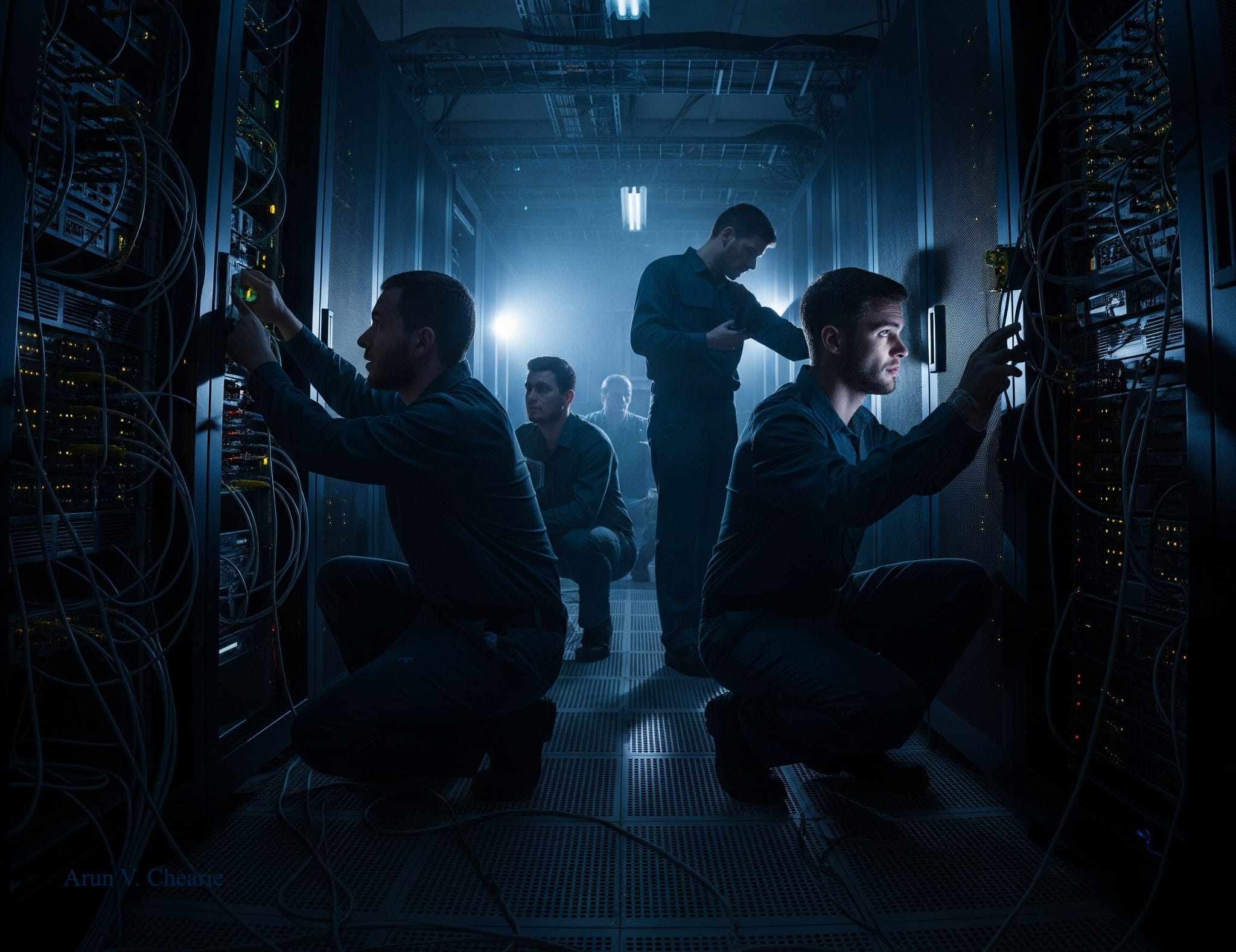
For months, headlines have highlighted the immense backlog for Nvidia's cutting-edge GPUs and the rising costs of compute. Indeed, for individual organizations and developers, securing sufficient GPU access remains a tangible hurdle. However, beneath this surface-level scarcity lies a far deeper issue: even if an abundance of GPUs were to magically appear, the global energy infrastructure is simply not equipped to power the insatiable demands of a fully unleashed AI revolution.
The Exponential Thirst of AI Data Centers
AI, particularly large language models (LLMs) and generative AI, is extraordinarily energy-intensive. Training and running these models require massive data centers filled with thousands of GPUs, each consuming significant amounts of electricity. Consider these stark realities:
Soaring Demand - Projections vary, but the consensus is clear: data center electricity consumption is set to skyrocket. Some estimates suggest global data center electricity demand could more than double in the next five years, with AI being the primary driver. The International Energy Agency (IEA) predicts that by 2030, data centers could account for over 3% of global electricity demand, a significant jump from around 1% in 2022. Some even project it could reach 21% of overall global energy demand by 2030 when factoring in the cost of delivering AI to customers.
Gigawatt Shortfalls - In the U.S. alone, Morgan Stanley forecasts a 45 gigawatt shortfall in data center power capacity by 2028. This isn't just about building new data centers; it's about finding reliable, consistent, and massive power sources to connect them to.
As NVIDIA CEO Jensen Huang aptly put it,
"Every single data-center in the future will be power limited. We are now a power limited industry."
This statement underscores the shift in the primary constraint from hardware to the very lifeblood of computing – electricity.
Why Energy is a More Formidable Obstacle than GPUs
Infrastructure Lag: Unlike the relatively rapid pace of GPU manufacturing innovation, expanding and modernizing energy grids is a monumental undertaking. It involves years of planning, colossal capital investment, complex regulatory approvals, and often, public resistance to new power generation or transmission lines. The "time to power" for a new data center site is becoming a critical factor, often taking precedence over GPU availability.
Base load Power Challenges - While renewable energy sources like solar and wind are growing, their intermittency poses a challenge for the 24/7, high-demand nature of AI workloads. Reliable base load power, historically supplied by fossil fuels or nuclear energy, is crucial. Phasing out older power plants without sufficient replacement capacity further exacerbates the issue. Countries like China are heavily relying on coal to meet their surging energy demands for AI, highlighting the global scale of this challenge.
Environmental Concerns and Sustainability Goals - The massive energy consumption of AI has significant environmental implications, primarily increased carbon emissions if not powered by clean energy. This clashes directly with global sustainability goals and corporate net-zero pledges, creating a dilemma for AI developers. While AI itself can help optimize energy use, its core operations currently represent a substantial energy footprint.
Geopolitical and Economic Strain - The race for AI dominance becomes intertwined with the race for energy resources. Countries with robust and adaptable energy infrastructure will have a distinct advantage in fostering AI innovation. Rising electricity prices, driven by this unprecedented demand, will also significantly impact the operational costs of AI, potentially making advanced AI inaccessible for smaller players.
Addressing the Energy Conundrum
Overcoming this energy bottleneck requires a multi-pronged approach:
Accelerated Grid Modernisation
Urgent investment in upgrading and expanding national and global power grids, including enhanced transmission and distribution infrastructure.
Diversified Energy Mix
A strategic and rapid scale-up of all reliable clean energy sources, including advanced nuclear technologies (e.g., small modular reactors), geothermal, and improved grid-scale battery storage to complement intermittent renewables.
On-Site Power Generation
Exploration and implementation of on-site or near-site power generation solutions for data centers, potentially leveraging microgrids or direct connections to renewable energy facilities.
AI for Energy Efficiency
Paradoxically, AI itself can be a powerful tool to optimize energy consumption within data centers and across the broader grid. This includes predictive maintenance, smart cooling systems, and dynamic energy load balancing.
Hardware and Software Optimisation
Continued focus on developing more energy-efficient GPUs and AI models (e.g., smaller language models, more efficient training algorithms) to reduce the computational burden.
Policy and Regulatory Support
Governments and regulatory bodies must enact policies that incentivise clean energy deployment, streamline permitting for energy infrastructure, and encourage sustainable AI development practices.
In summary..
While the immediate "GPU shortage" may grab headlines, the long-term sustainability and widespread advancement of AI will hinge on our ability to provide it with a consistent, reliable, and abundant supply of energy. The global energy infrastructure, in its current state, is ill-prepared for the exponential demands of AI. The time has come to shift our collective focus from merely manufacturing more chips to fundamentally transforming our energy landscape. Only then can we truly unlock the full potential of AI and ensure its seamless availability as a transformative force for good around the world.